
UK Road Signs Explained
Prefer to talk it through first? Call us and practise the real thing with an instructor.
UK road signs fall into three main groups — warning signs, regulatory signs, and information and direction signs — and each group uses its own shape and colour so you can read it at a glance. This guide explains what each category means, gives clear examples, and shows how road signs come up in the theory test.
Knowing your signs is one of the first steps every learner driver takes. The Highway Code expects you to recognise road signs on the road, and road-sign questions can come up in the theory test.
Warning signs
Warning signs alert you to a hazard ahead so you have time to slow down or change position. Most are triangular with a red border and a white background, which makes them easy to spot from a distance.
Common examples include the bend-ahead sign, the junction-ahead sign, the slippery-road sign, and the sign for a steep hill. A warning sign tells you what is coming but does not, on its own, order you to act in a fixed way — it asks you to read the road and respond safely.
Once you can read a warning, the next question is what the road actually requires of you, which is where regulatory signs come in.
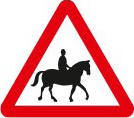
Accompanied horses or ponies
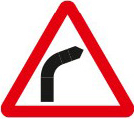
Bend to the right
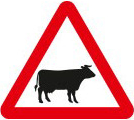
Cattle
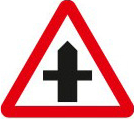
Crossroads
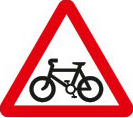
Cycle route ahead
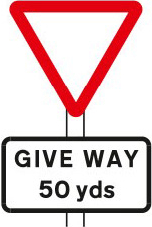
Distance to the give-way line ahead
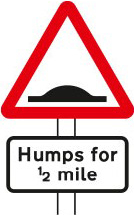
Distance over which a hazard extends
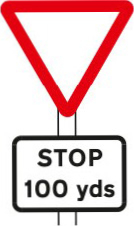
Distance to the stop line ahead
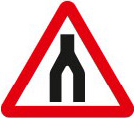
Dual carriageway ends
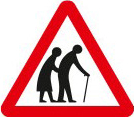
Frail or elderly people likely to cross
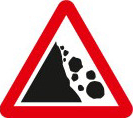
Falling or fallen rocks
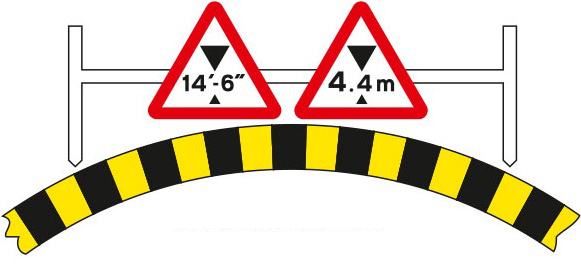
Available headroom indicated
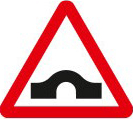
Hump bridge
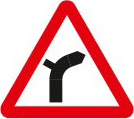
Junction on a bend ahead
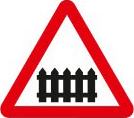
Level crossing with barrier or gate ahead
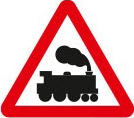
Level crossing without barrier or gate ahead

Level crossing without a barrier
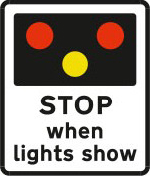
Light signals ahead
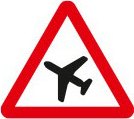
Low-flying aircraft or sudden aircraft noise
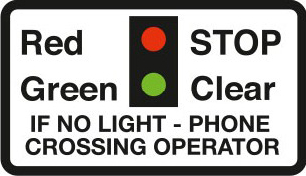
Miniature warning lights at a level crossing
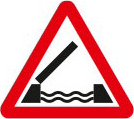
Opening or swing bridge ahead
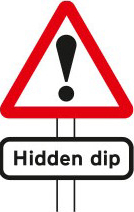
Other danger
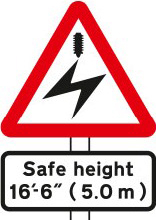
Overhead electric cable
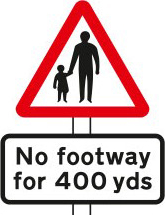
Pedestrians in the road ahead
Pedestrian crossing ahead
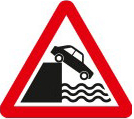
Quayside or river bank
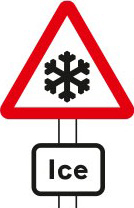
Risk of ice
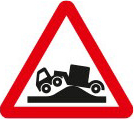
Risk of falling into a river or quayside
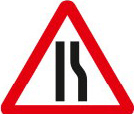
Road narrows on one side
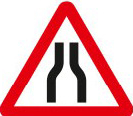
Road narrows on both sides
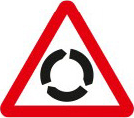
Roundabout ahead
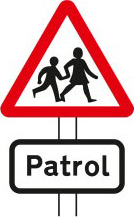
School crossing patrol ahead
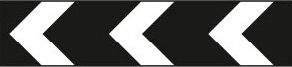
Sharp deviation of route
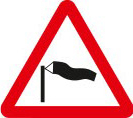
Side winds
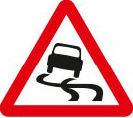
Slippery road
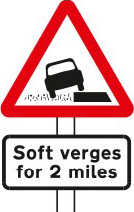
Soft verges
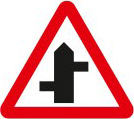
Staggered junction
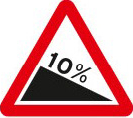
Steep hill downwards
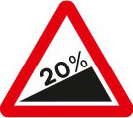
Steep hill upwards
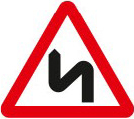
Double bend ahead
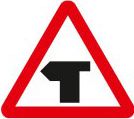
T-junction
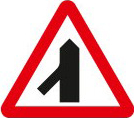
Traffic merging from the left ahead
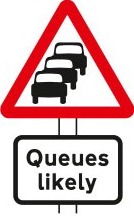
Traffic queues likely ahead
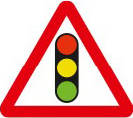
Traffic signals ahead
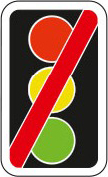
Traffic signals not in use
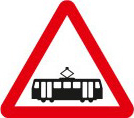
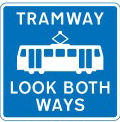
Trams crossing ahead
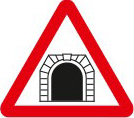
Tunnel ahead
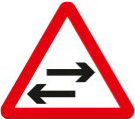
Two-way traffic crosses a one-way road
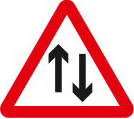
Two-way traffic straight ahead
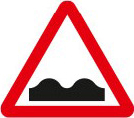
Uneven road
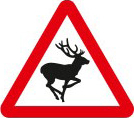
Wild animals
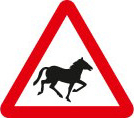
Wild horses or ponies
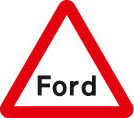
Worded warning sign
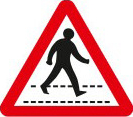
Zebra crossing ahead
Regulatory signs
Regulatory signs tell you what you must or must not do, and breaking them is an offence. Many are circular: a red ring usually means a prohibition or a limit, while a blue circle usually gives a positive instruction you have to follow.
Examples of the prohibitory kind include the speed-limit sign, the no-entry sign, and the no-overtaking sign. Examples of the mandatory kind include the keep-left sign and the turn-left-ahead sign. The stop sign is the only octagonal sign, so its instruction stays recognisable even when the sign face is dirty or partly hidden.
Regulatory signs set the rules; the next group helps you plan ahead and find your way.
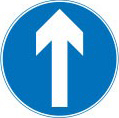
Ahead only
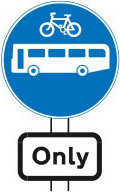
Buses and cycles only
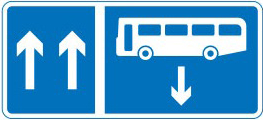
Contraflow bus lane
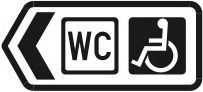
Disabled badge holders only
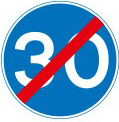
End of minimum speed
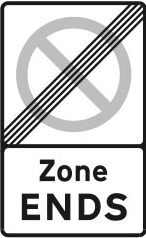
End of 20 mph zone
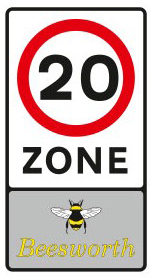
Entry to a 20 mph zone
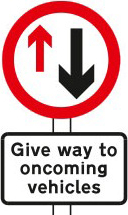
Give priority to vehicles from the opposite direction
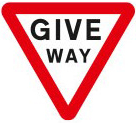
Give way to traffic on a major road
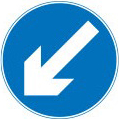
Keep left
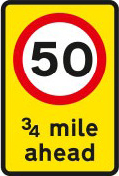
Mandatory instruction sign
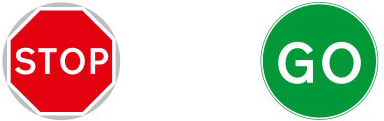
Manually operated temporary STOP / GO sign
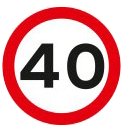
Maximum speed limit
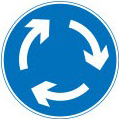
Mini-roundabout
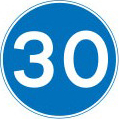
Minimum speed
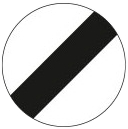
National speed limit applies
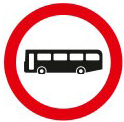
No buses (over 8 passenger seats)
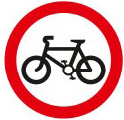
No cycling
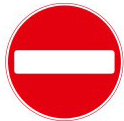
No entry for vehicular traffic
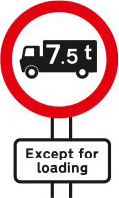
No goods vehicles over the maximum weight shown
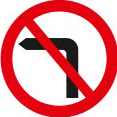
No left turn
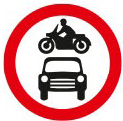
No motor vehicles
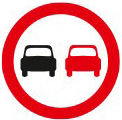
No overtaking
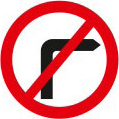
No right turn
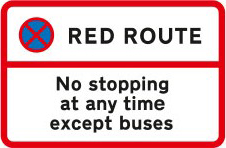
No stopping during the period indicated
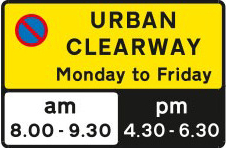
No stopping during the times shown
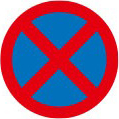
No stopping (clearway)
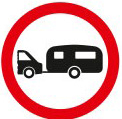
No towed caravans
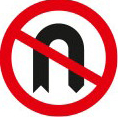
No U-turns
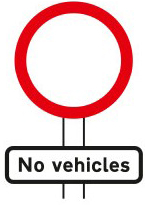
No vehicles except bicycles being pushed
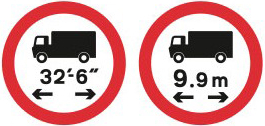
No vehicle or combination over the length shown
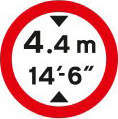
No vehicles over the height shown
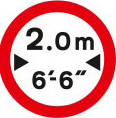
No vehicles over the width shown
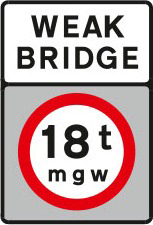
No vehicles
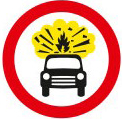
No vehicles carrying explosives
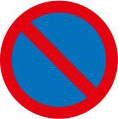
No waiting
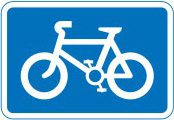
Route for pedal cycles only
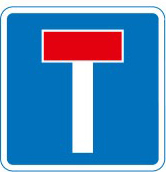
Route for use by vehicles
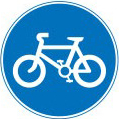
Route to be used by cycles only
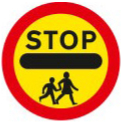
School crossing patrol (STOP)
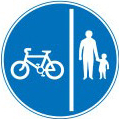
Segregated pedal cycle and pedestrian route
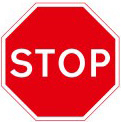
Stop and give way
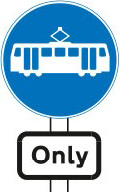
Trams only
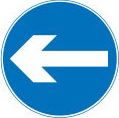
Turn left (or right if the symbol is reversed)
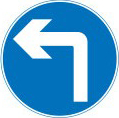
Turn left ahead
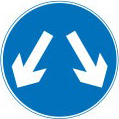
Vehicles may pass either side
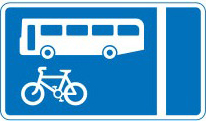
With-flow bus and cycle lane
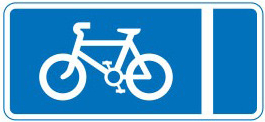
With-flow pedal cycle lane
Information and direction signs
Information and direction signs help you navigate and confirm what is allowed, rather than warn you or command you. They are usually rectangular, and their colour signals the type of road: blue panels for motorways, green for primary routes, and white for local roads.
Examples include route confirmation signs after a junction, signs showing services or a car park, and signs marking the start or end of a controlled zone. These signs reduce guesswork, which keeps your attention on the road instead of on last-minute decisions.
All three groups appear together in the official learning material, so the theory test checks that you can tell them apart.
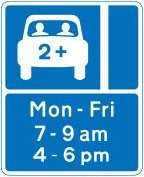
Lane for high-occupancy vehicles (2+)
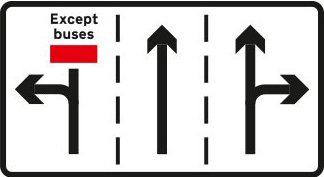
Traffic lanes at the junction ahead
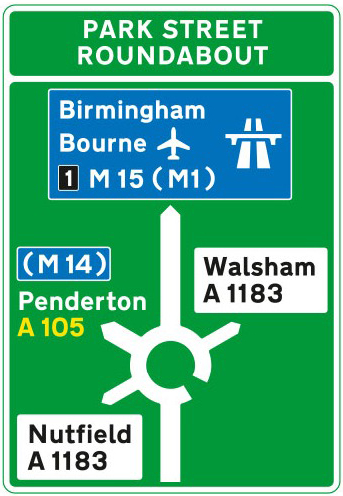
On the approaches to a junction
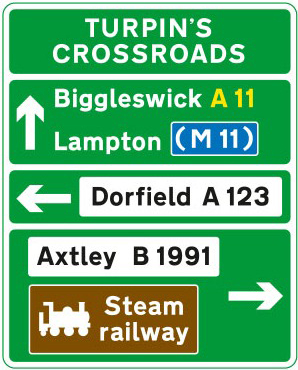
On the approaches to a junction
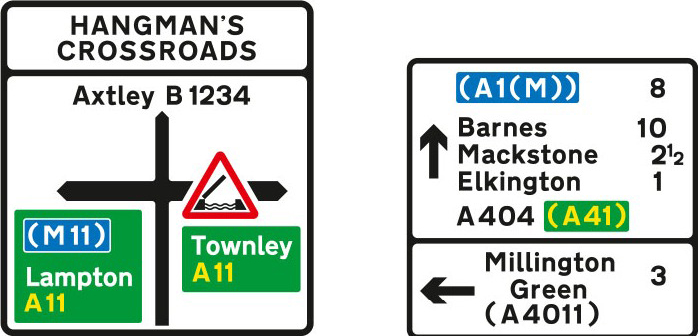
On the approach to a junction
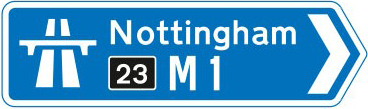
At a junction
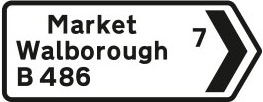
At the junction
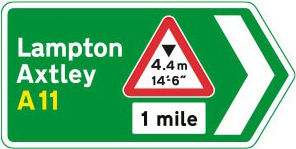
At the junction
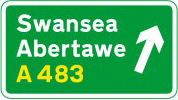
Bilingual direction sign (Wales)
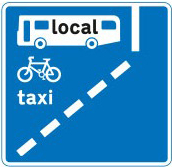
Bus lane
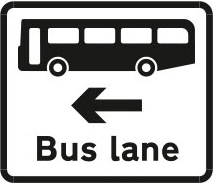
Bus lane on the road at the junction ahead
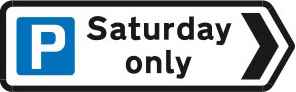
Direction to a car park
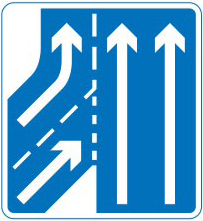
Lane joining the main carriageway from the left
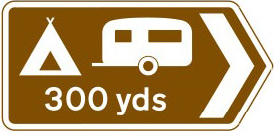
Direction to a camping and caravan site
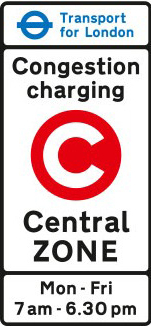
Entrance to a congestion charging zone
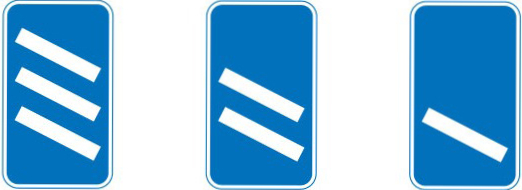
Countdown markers to a junction
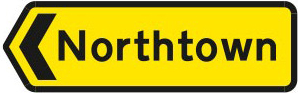
Diversion route
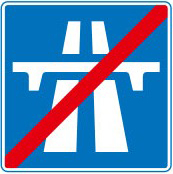
End of motorway
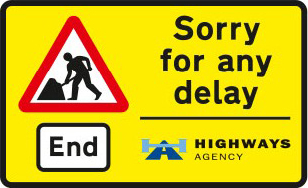
No through road
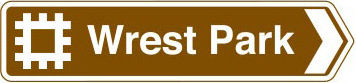
Ancient monument (English Heritage)

Get in lane (overhead direction sign)
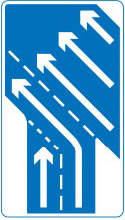
Traffic in the right-hand lane of a slip road joining
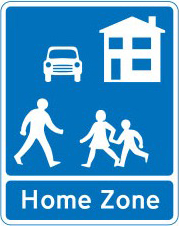
Home Zone entry
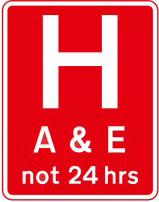
Hospital ahead with A&E facilities
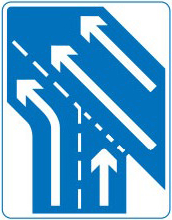
Additional traffic joining from the left ahead
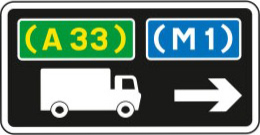
Advisory route for lorries
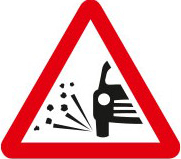
Loose chippings

Traffic on the main road has priority
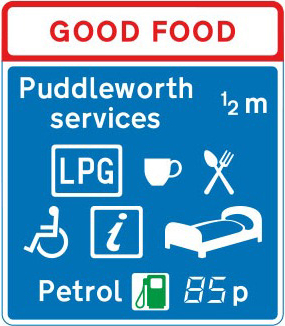
Start of motorway
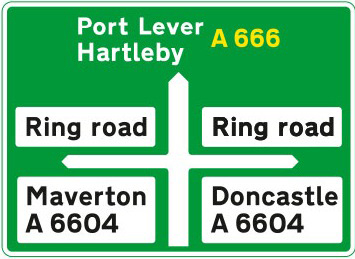
Primary route direction sign at a junction
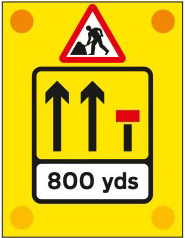
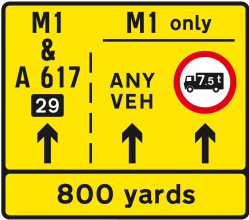
Lane closed for road works ahead (800 yds)

Services at the next junction
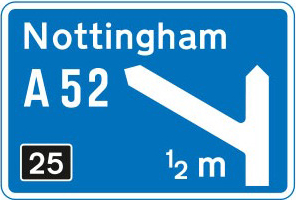
On the approach to a junction (motorway)
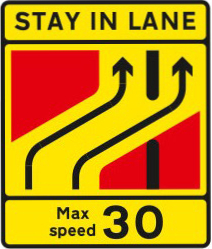
Lane crossover at contraflow road works
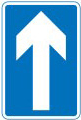
One-way traffic
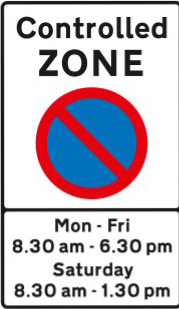
Controlled parking zone
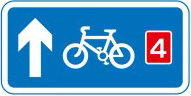
Route for cycles forming part of a network
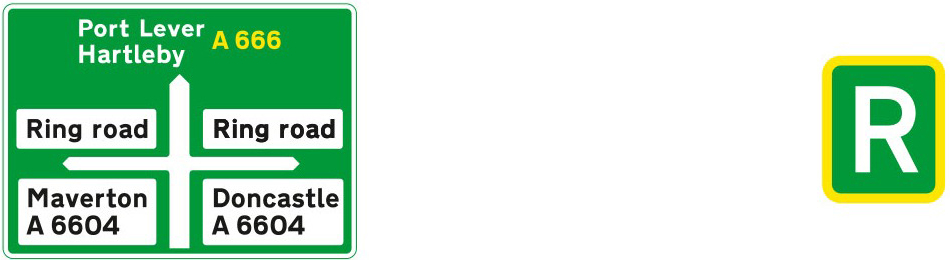
Primary route forming part of a ring road
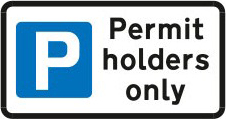
Parking for permit holders only
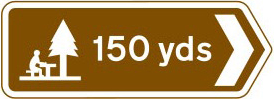
Picnic site
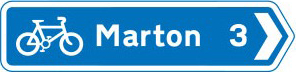
Cycle route direction sign
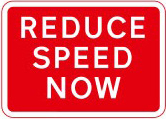
REDUCE SPEED NOW plate
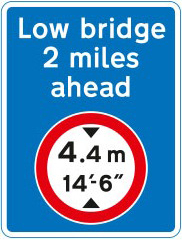
Advance warning of a restriction ahead
Road works
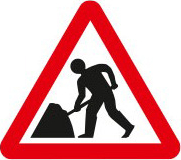
Road works ahead
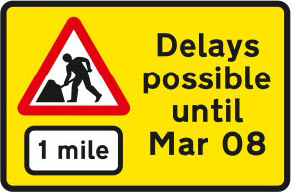
Road works 1 mile ahead
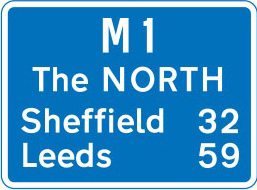
Route confirmation sign after a junction
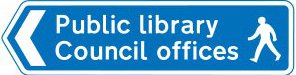
Route for pedestrians
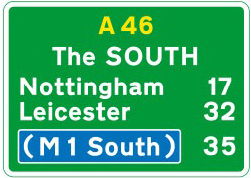
Advance direction sign (primary route)
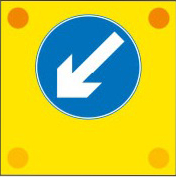
Slow-moving or stationary works vehicle
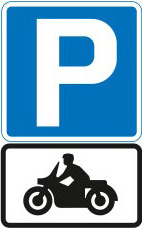
Parking for solo motorcycles
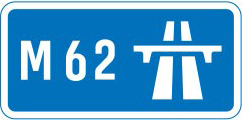
Start of motorway and its regulations
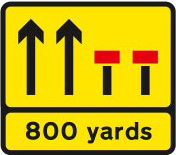
Temporary lane closure
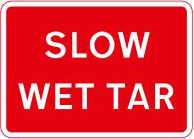
Temporary hazard at road works
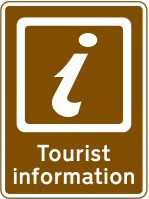
Tourist information point
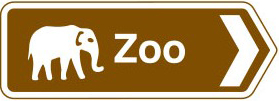
Direction to a tourist attraction
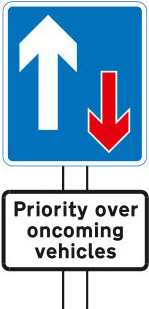
Priority over oncoming vehicles
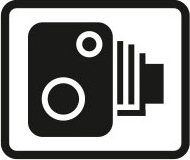
Cameras used to enforce traffic regulations
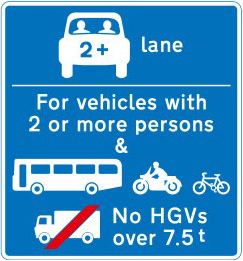
Vehicles permitted to use a 2+ lane
No road signs match your search. Try another word.
Road signs in the theory test
Road signs are tested in the multiple-choice part of the DVSA theory test, where you are shown a sign and asked what it means or what you should do. The meanings are based on the Highway Code and official learning material, so the signs you revise are the same ones you need to recognise on the road.
Recognising signs also helps with the hazard-perception part of the test, because a warning sign in a clip can flag where a hazard is likely to develop. Revising signs by category — warning, regulatory, and information — is usually faster than memorising them one by one, since the shape and colour give you most of the answer.
Reading signs well in theory only takes you so far; applying them on real roads is the part an instructor helps with most.
Learn the road with MMS
MMS Driving School is an owner-operated driving school serving Coventry, and the surrounding towns, with DVSA-approved instructors available. Lessons are where road signs stop being flashcards and start informing real decisions — reading a speed-limit change, responding to a warning before a bend, or following direction signs on an unfamiliar route.
If you are just starting out, our guide on how to learn to drive walks through the full journey from first lesson to test.
learn to driveWhen you are ready to put the theory into practice, book driving lessons in Coventry with an instructor who can explain each sign in context.
driving lessons in CoventryLearners who want to progress quickly often choose our intensive driving courses.
intensive driving coursesRead our Google reviews to see how learners rate their lessons with us.
Read our Google reviewsFrequently asked questions
What are the main types of UK road signs?
There are three main types: warning signs, regulatory signs, and information and direction signs. Warning signs are usually triangular and flag a hazard ahead; regulatory signs are usually circular and tell you what you must or must not do; information and direction signs are usually rectangular and help you navigate.
What shape and colour are warning signs?
Most warning signs are triangular with a red border and a white background. The triangle and red border are designed to stand out early, giving you time to react to the hazard shown inside.
Do road signs come up in the theory test?
Yes. Road signs appear in the multiple-choice section of the DVSA theory test, where you identify a sign or state the correct action, and recognising them also helps in the hazard-perception section.
Where can I learn road signs for the theory test?
The official source is the Highway Code, which sets out every sign and its meaning. Practising with an instructor then helps you connect each sign to a real driving decision.